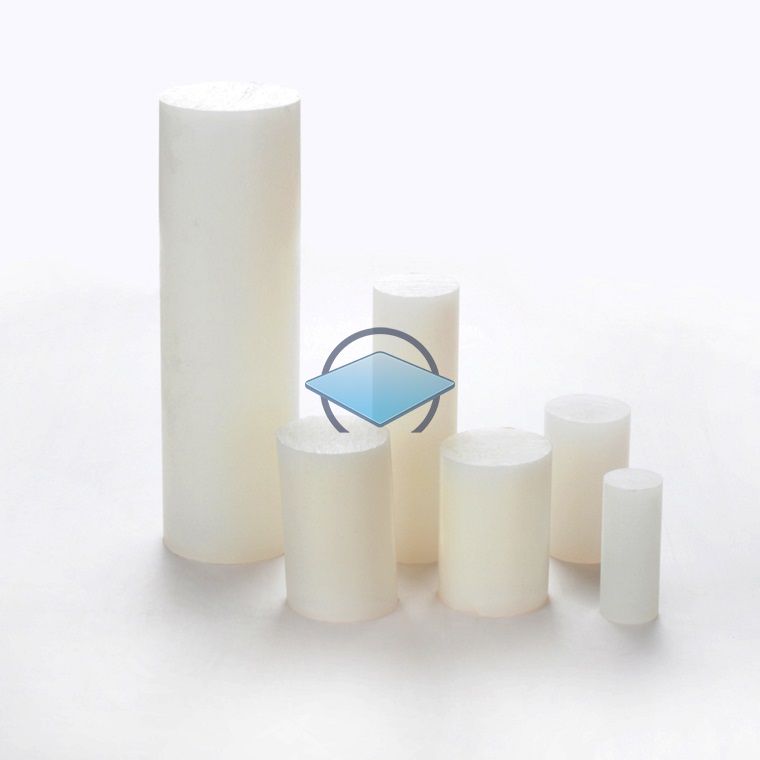
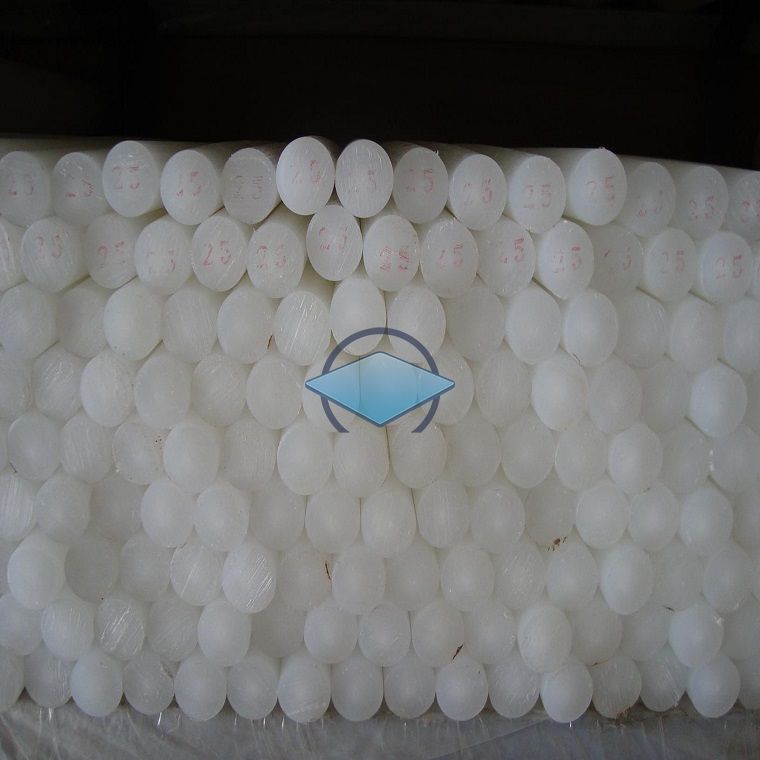
PP board: Made from polypropylene resin, which is a thermoplastic resin obtained through the polymerization of propylene. Its molecular chain contains methyl side groups, indicating a high degree of regularity in its molecular structure.
HDPE board: It is primarily made from high-density polyethylene, which is formed through the polymerization of ethylene under low pressure conditions. Its molecular chains are tightly arranged, resulting in a high degree of crystallinity.
Different performance characteristics
PP board: It possesses excellent rigidity and hardness, with high mechanical strength, enabling it to withstand certain pressure and weight. Additionally, it exhibits good heat resistance, allowing its use at elevated temperatures. Its long-term usage temperature can reach approximately 100℃, and it can endure high temperatures of 120℃ for short periods. However, PP board's cold resistance is relatively poor, and it may become brittle in low-temperature environments.
HDPE board: It boasts excellent impact resistance, maintaining good toughness even in low-temperature environments and resisting cracking. Its chemical stability is extremely high, offering good resistance to most acids, alkalis, salts, and other chemical substances. HDPE board also exhibits strong wear resistance, making it suitable for applications that require resistance to friction. However, the rigidity and hardness of HDPE board are slightly lower than those of PP board, and its heat resistance is also slightly inferior. The long-term use temperature is generally around 80℃.
Different purposes
PP board: It is commonly used as equipment lining, piping, containers, etc. in the chemical, electronics, food, and other industries. In the construction field, it can be used as roof skylights, decorative panels, etc. Furthermore, PP board is also widely used in the manufacturing of stationery, toys, household items, such as folders, toy shells, plastic tables and chairs, etc.
HDPE board: It is primarily used for manufacturing various plastic pipes, such as water supply pipes, drainage pipes, and gas pipes. Due to its excellent corrosion resistance and environmental stress cracking resistance, it ensures long-term stable operation of the pipes. In the environmental protection field, HDPE board can be used for impermeable liners in landfills, linings for sewage treatment ponds, etc. Additionally, it is commonly used in the manufacturing of logistics and environmental sanitation equipment such as pallets, turnover boxes, and trash cans, as well as some industrial components that require high impact resistance and wear resistance.
Different levels of processing difficulty
PP board: It has good processing performance and is easy to process through extrusion, injection molding, blow molding, and other molding processes. However, due to its high rigidity, care should be taken to control temperature and pressure during processing to avoid issues such as deformation and cracking.
HDPE board: It is relatively easy to process, has good fluidity, and can fill the mold cavity well during the molding process, resulting in high production efficiency. However, due to its high crystallinity, the cooling rate during processing has a significant impact on the performance and dimensional stability of the product, requiring reasonable control of the cooling process.
different in appearance
PP board: It is usually translucent or opaque, and its color can be customized according to needs. Common colors include white, gray, blue, etc. The surface has good glossiness, the texture is relatively hard, and it feels somewhat smooth when touched.
HDPE board: It is generally milky white or slightly yellow, and appears opaque. The surface is relatively rough, with a lower glossiness compared to PP board. It has a soft texture and exhibits a certain degree of elasticity when pressed by hand.