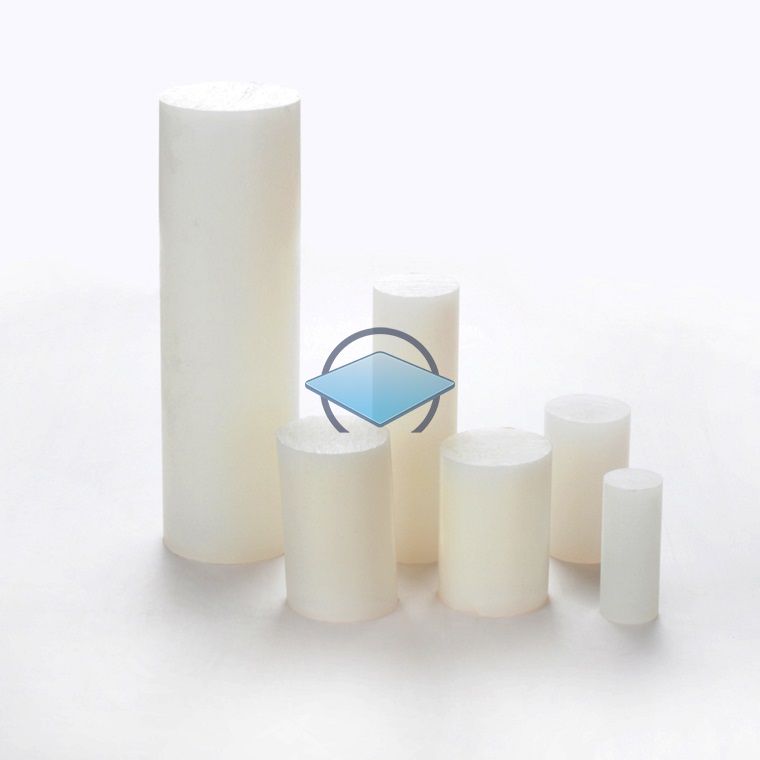
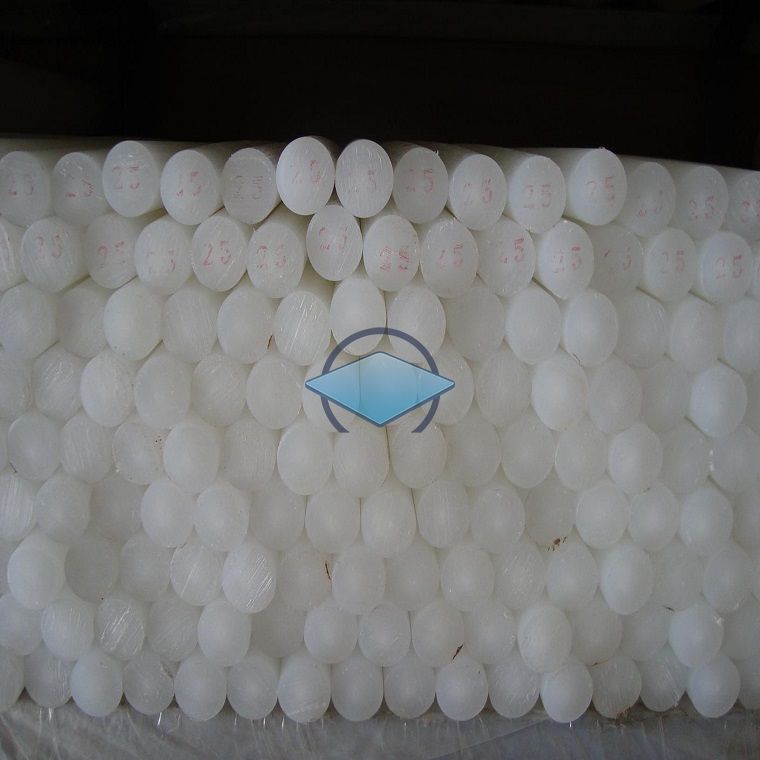
PP stands for polypropylene, while PVC stands for polyvinyl chloride. Next, I need to compare their chemical structures, as different structures can lead to different physical and chemical properties. For example, PP is a semi-crystalline thermoplastic, whereas PVC is classified into rigid and flexible types, with plasticizers often added to alter its flexibility.
Physical properties include heat resistance, chemical resistance, mechanical strength, density, transparency, etc. PP has a higher melting point, possibly around 160°C, while PVC may have lower heat resistance and may decompose at high temperatures, producing harmful gases such as hydrogen chloride. In terms of mechanical strength, PP may be more flexible, while rigid PVC is relatively hard, but soft PVC is more flexible. In terms of density, PVC is generally heavier than PP, as the presence of chlorine atoms increases the molecular weight.
In terms of chemical resistance, PP may exhibit better tolerance towards acids, alkalis, and solvents, whereas PVC, while resistant to acids and alkalis, may be more sensitive to certain organic solvents. Additionally, PVC contains chlorine, which may release toxic gases during combustion, whereas PP mainly produces carbon dioxide and water during combustion, making it relatively more environmentally friendly.
In terms of application fields, PP is commonly used in food packaging, medical devices, automotive parts, etc., while PVC is predominantly used in building materials (such as pipes, window frames), wire and cable insulation, flooring, etc. In terms of processing methods, both can be processed through extrusion, injection molding,etc., but PVC may require more attention to temperature control to avoid decomposition.
In terms of environmental factors, PP is easier to recycle, whereas PVC, due to its content of chlorine and potential additives, requires more complex recycling processes, and may produce harmful substances such as dioxins during incineration. Additionally, in terms of cost, PVC may be cheaper than PP, but this also depends on market supply and demand, as well as the use of additives.
If high temperature resistance or food contact is required, PP may be preferred; if rigidity and low cost are needed, PVC may be chosen. Meanwhile, when welding these two materials, attention should be paid to their compatibility, which may require different welding process parameters, or even direct welding may not be possible, requiring compatibilizers or other methods.
However, I need to verify the accuracy of this information. For instance, is the melting point of PP really around 160-170°C, and does PVC start decomposing and releasing HCl above 140°C? Additionally, regarding density, PP typically has a density of 0.90-0.91 g/cm³, while rigid PVC has a density of approximately 1.3-1.45 g/cm³, making it heavier. In terms of chemical resistance, PP exhibits good tolerance to most acids and alkalis, whereas PVC, although resistant to acids and alkalis, may have poorer resistance to ketone and ester solvents.
PP is used for microwave containers due to its high temperature resistance, while PVC pipes are chosen for their rigidity and corrosion resistance. In terms of environmental protection, PP has a recycling label of No. 5, while PVC has No. 3, making the latter more difficult to recycle and posing risks during incineration.
In terms of appearance, PVC is typically harder and glossier, while PP may be more translucent or milky white, with a softer surface. However, these appearance characteristics may vary depending on different additives and cannot be used as the sole criterion for judgment.