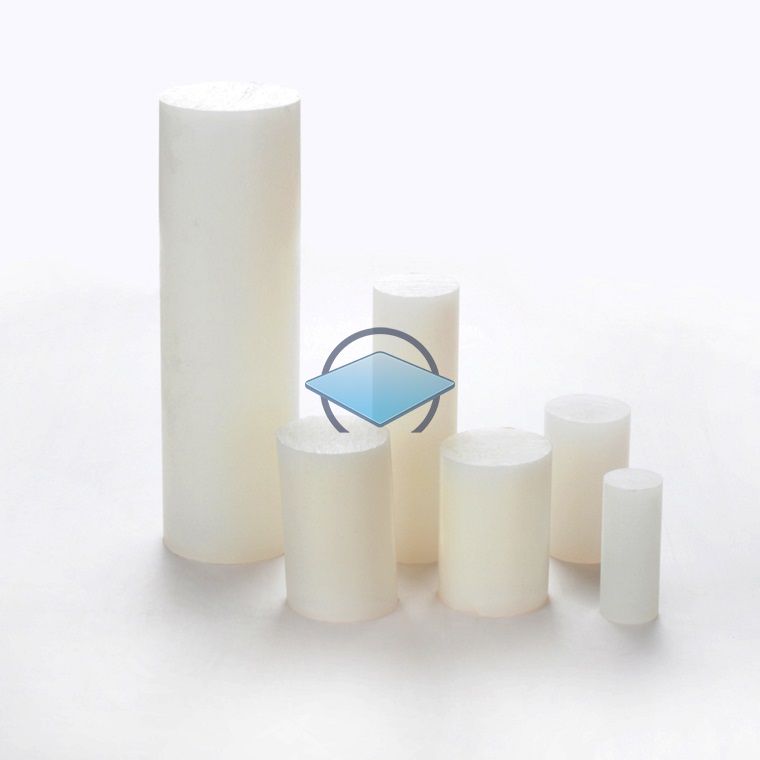
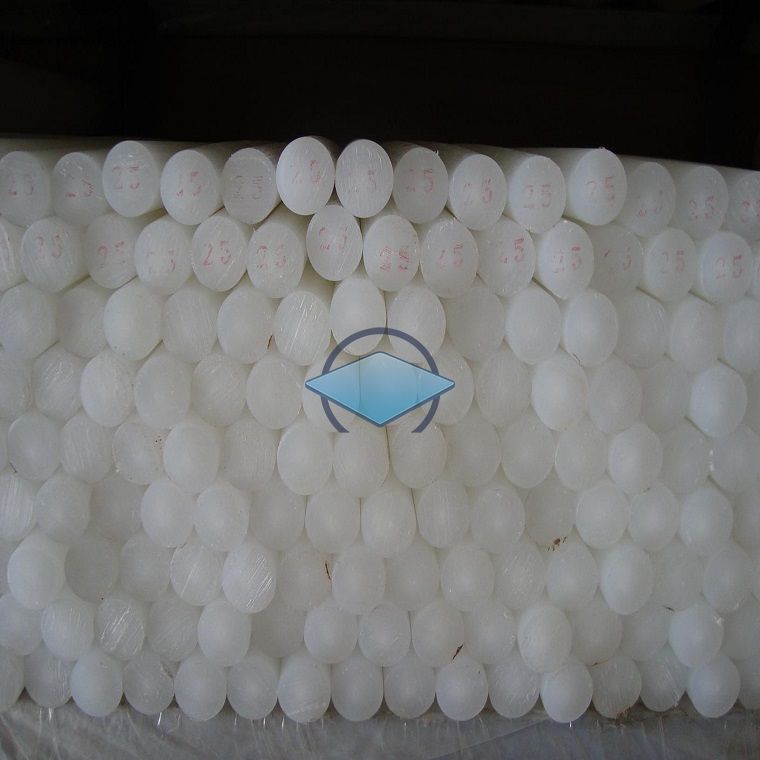
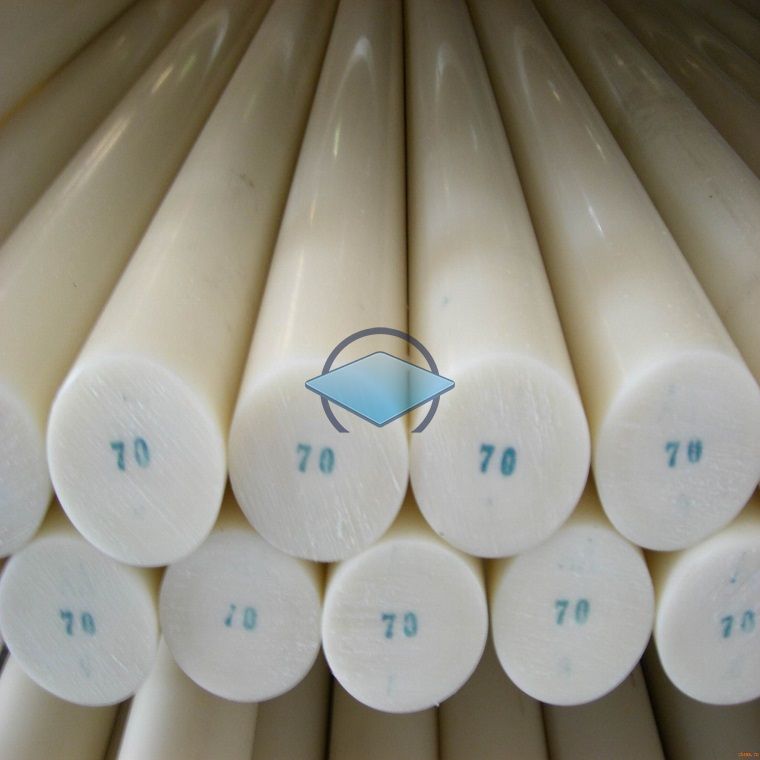
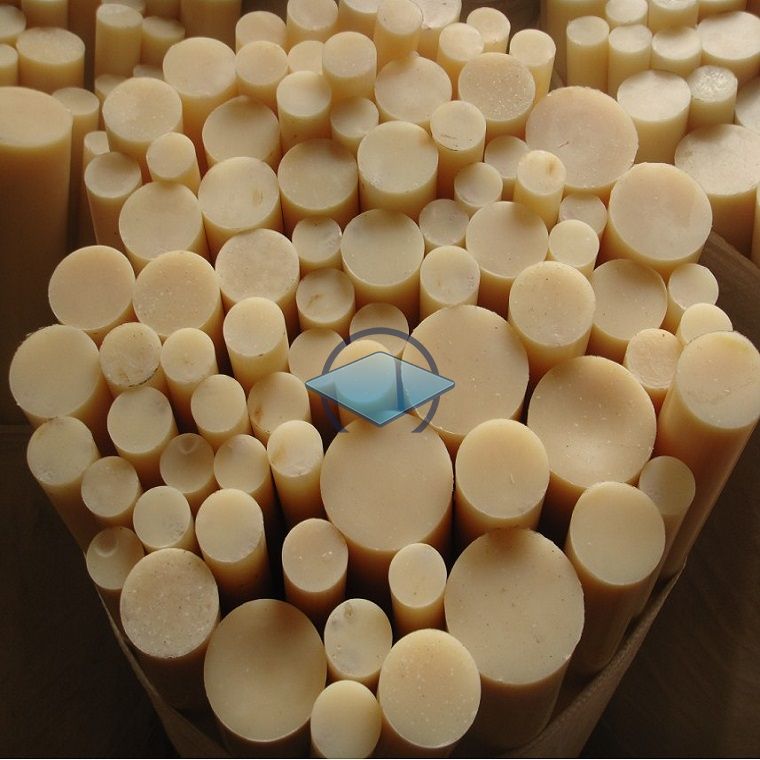
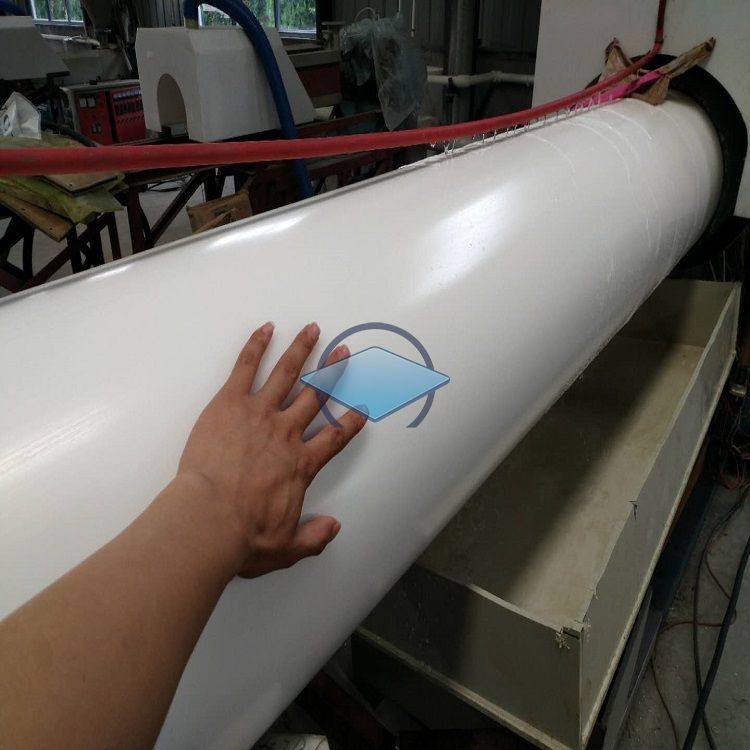
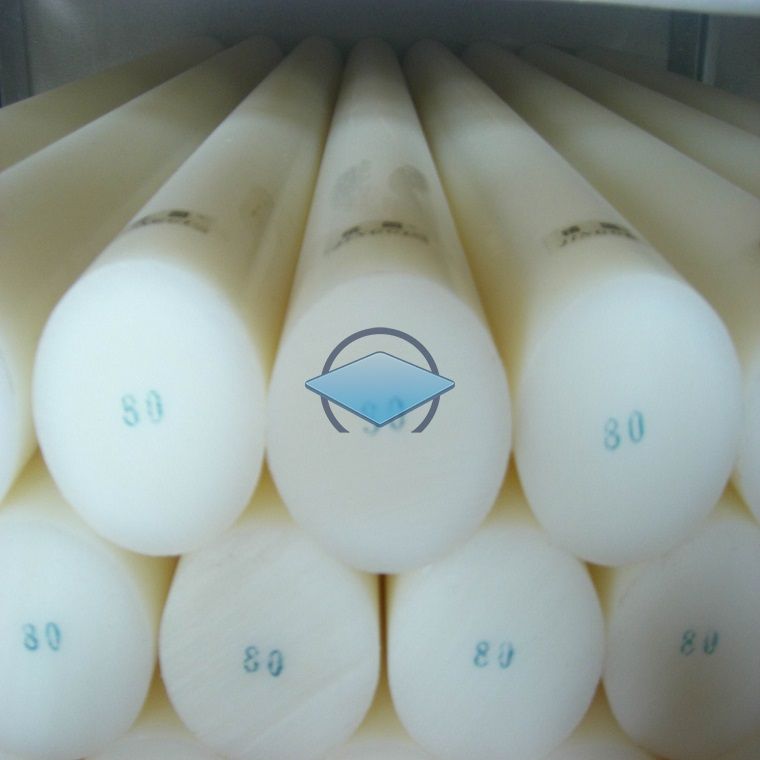
Nylon rod, PA6 rod, PA66 rod material
Product specifications: diameter (8~400mm) × length (optional)
Color: Customizable color
Product level: Level A
physical properties
Density: aproximately 1.12-1.15 g/cm³ (PA6/PA66)
Temperature resistance: Short-term temperature resistance up to 150-180℃ (PA66), long-term usage temperature range from approximately -40℃ to 120℃
Color and specifications: Commonly available in white, beige, or black, with customization options; typically with a diameter of
2. Chemical properties
Corrosion resistance: Resistant to weak acids, weak alkalis, oils, and hydrocarbon solvents, but strong acids (such as concentrated sulfuric acid and hydrochloric acid) and strong oxidizers can corrode nylon.
Oil resistance: Excellent oil resistance, suitable for mechanical lubrication environments.
Water absorption: High water absorption (PA6 has a water absorption rate of about 2.5-3.5%), which can easily lead to dimensional changes and requires pre-drying treatment.
3. Mechanical properties
High strength: high tensile strength (PA66 can reach 80-90 MPa)
Wear resistance: With an extremely low friction coefficient and excellent wear resistance, it is suitable for high-friction components such as gears and bearings.
Toughness: Good impact resistance, maintaining toughness even at low temperatures
Self-lubricating property: It can reduce friction without the need for additional lubricants.
4. Processing performance
Machinability: It can be processed through mechanical processes such as turning, drilling, and milling, but attention should be paid to heat dissipation during processing (it is prone to melting and sticking to the cutting tool).
Injection molding: Requires high temperature (240-300℃) injection molding, and moisture-absorbing materials need to be pre-dried.
Weldability: It can be welded through hot plate welding or ultrasonic welding,
5. Application areas
Machinery industry: high-strength wear-resistant components such as gears, bearings, pulleys, and guide rails.
Automobile: engine hood, fuel system components, connectors.
Electronics and electrical appliances: Insulated sockets, coil bobbins (it is important to consider the impact of water absorption on insulation).
Daily necessities: zippers, sports equipment, tool handles.
6. Limitations
Water absorption: After absorbing water, the size expands and the mechanical properties decline (which needs to be mitigated by modification or selecting a low water absorption model such as PA12).