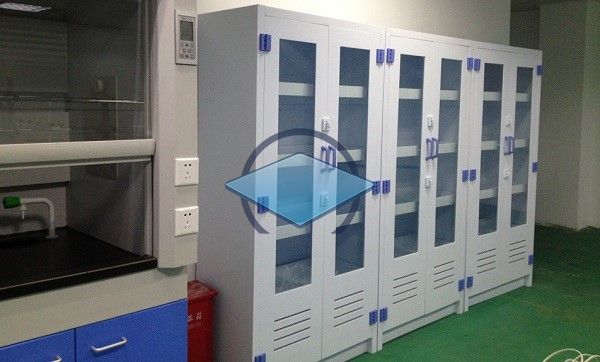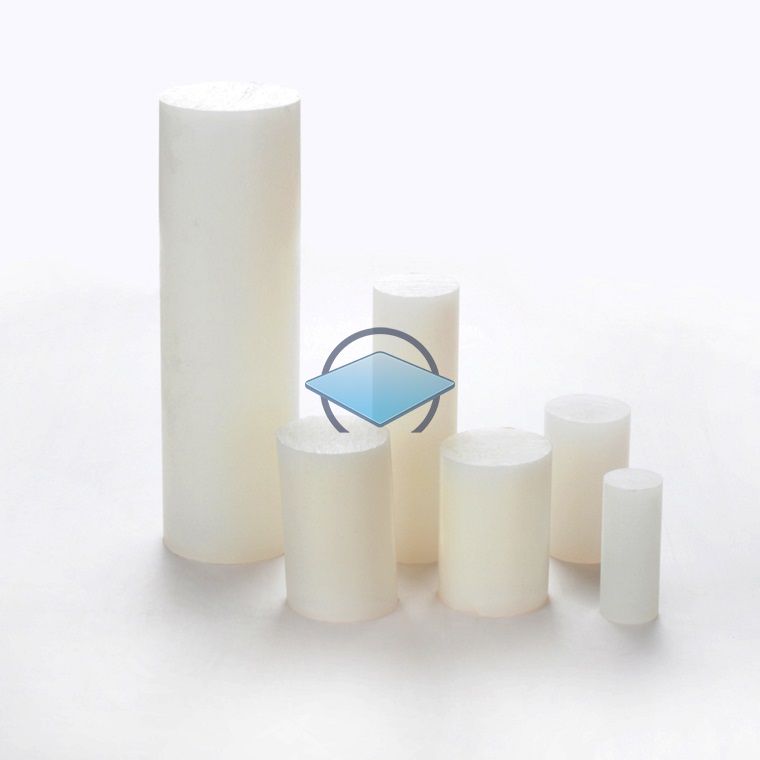
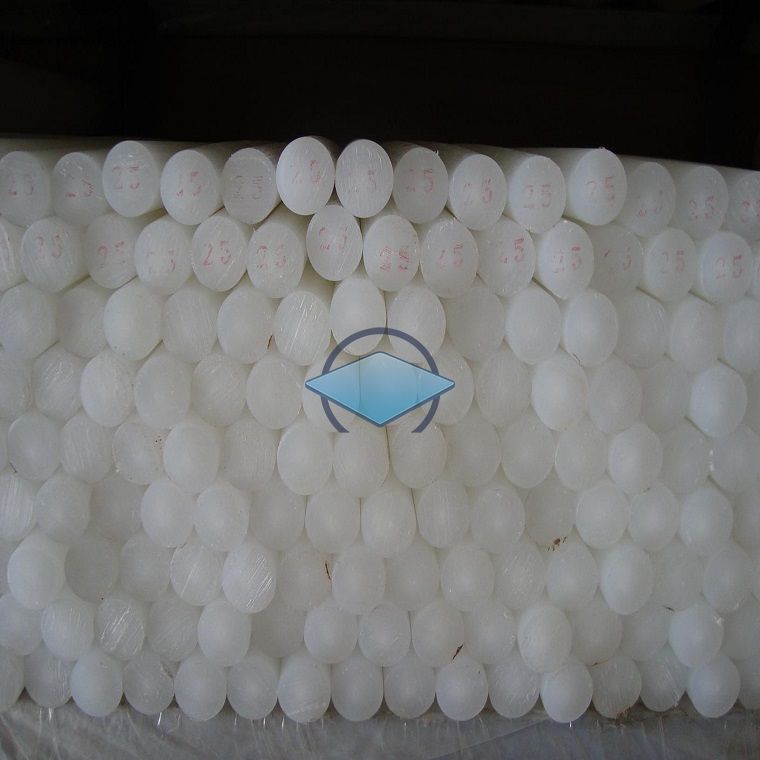
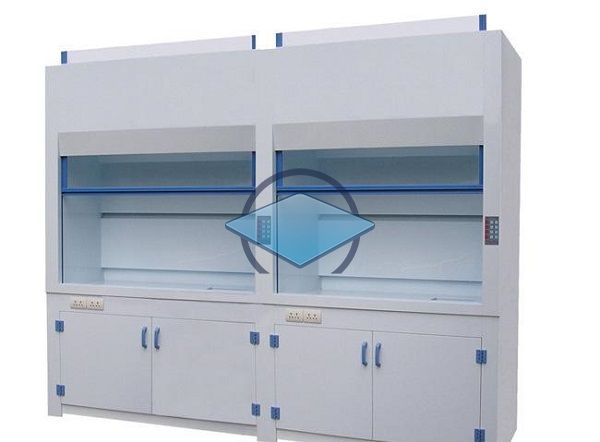
The PP laboratory medicine cabinet is made of polypropylene (PP) plates through welding technology, serving as a specialized cabinet for storing various hazardous materials such as chemicals, reagents, and solvents. Compared to traditional metal medicine cabinets, it exhibits unique chemical stability.
The core advantages of PP medicine cabinets (why are they widely accepted?)
Excellent corrosion resistance
Key advantage: PP material exhibits excellent resistance to most strong corrosive chemicals such as acids, alkalis, and salts, and does not rust. This is its core competitiveness.
Comparison: Stainless steel medicine cabinets may be corroded when exposed to halides (such as hydrogen fluoride and hydrochloric acid), while PP cabinets remain intact.
High cleanliness and resistance to contamination
The integrally molded welding structure features no seams or dead spaces, making it less prone to dust and contaminant accumulation.
With a smooth surface, it is easy to clean and disinfect, making it highly suitable for laboratories with stringent cleanliness requirements, such as those in the fields of biology, medicine, and food testing.
Lightweight and durable
Although less dense and lighter than metals, high-quality PP plates exhibit excellent mechanical strength and a long service life.
Good structural design
Layer board: Typically made of porcelain white PP board, it boasts strong load-bearing capacity and features anti-slip and corrosion-resistant design. The height of the layer board is adjustable, facilitating the storage of reagent bottles of varying heights.
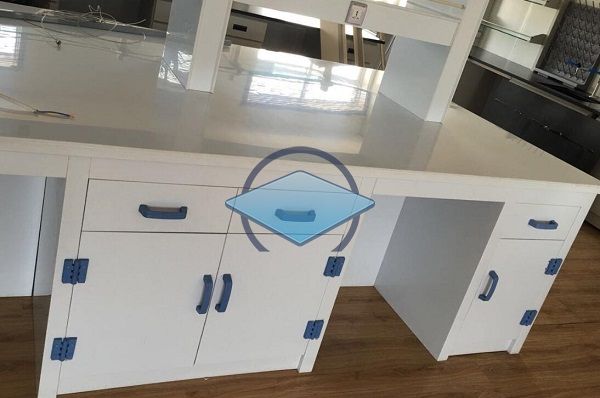
Hinges and handles: Generally, corrosion-resistant PP or stainless steel materials are used to ensure the integrity of corrosion resistance throughout the entire cabinet body.
Ventilation opening: The cabinet body typically has a reserved ventilation opening that can be connected to an external exhaust system to promptly remove any harmful or volatile gases that may accumulate inside the cabinet, ensuring safety.
safety
Comply with laboratory safety standards, effectively isolate and store hazardous chemicals, and reduce safety risks caused by chemical leakage, evaporation, etc.
Applicable scenarios
PP pharmaceutical cabinets are particularly suitable for storing the following items:
Strong acids and strong bases: such as sulfuric acid, hydrochloric acid, nitric acid, sodium hydroxide, etc.
Organic solvents: However, it should be noted that PP has a general tolerance to certain strong organic solvents (such as benzene and toluene), and long-term exposure may lead to swelling. Compatibility needs to be confirmed during storage.
High purity reagents: Avoid metal ion contamination.
Medicines that require high environmental cleanliness.
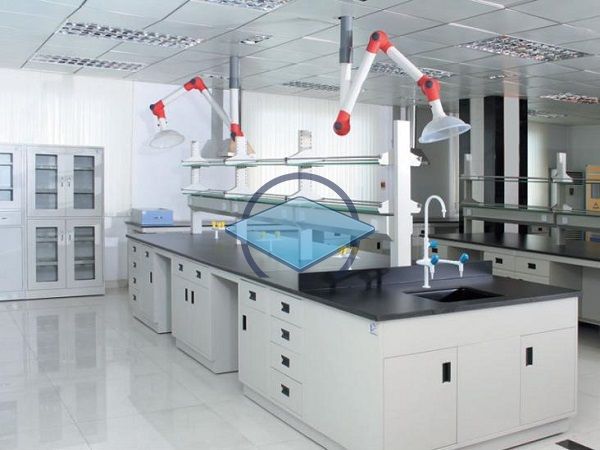
Typical application laboratories: chemical laboratories, biochemical laboratories, hospital laboratories, food and drug testing centers, environmental monitoring stations, university research institutions, etc.
Key points for purchasing PP medicine cabinet
Before accepting and using the PP pharmaceutical cabinet, please ensure to confirm the following points:
PP board quality:
Material: It is confirmed to be made of brand new PP material, not recycled material. Cabinets made of recycled material have unstable performance and are prone to aging and cracking.
Thickness: The thickness of cabinet body boards and shelves directly affects their load-bearing capacity and service life. Commonly seen high-quality cabinet bodies have a thickness of around 8-12mm, while shelves have a thickness of around 10-15mm.
Process and structure:
Welding process: Inspect whether the weld seam is uniform, secure, and smooth. Good welding is crucial for ensuring the strength of the cabinet body and preventing liquid leakage.
Structural stability: Whether the cabinet body is stable, the door opens and closes smoothly, and the sealing is good.
Accessory material:
Confirm that hinges, handles, screws, and other accessories are also made of corrosion-resistant materials (such as PP, 304/316 stainless steel).
Functional configuration:
Ventilation required: Determine whether to choose a model with ventilation holes based on the volatility of the stored chemicals.
Adjustability of shelves: Whether the shelves are easy to adjust to accommodate items of different sizes.
Lock: Is a locking function required to manage controlled drugs.
Safety certification:
Choose products that comply with relevant national or international standards (such as China's GB standards, the United States' OSHA standards, etc.).